
Description
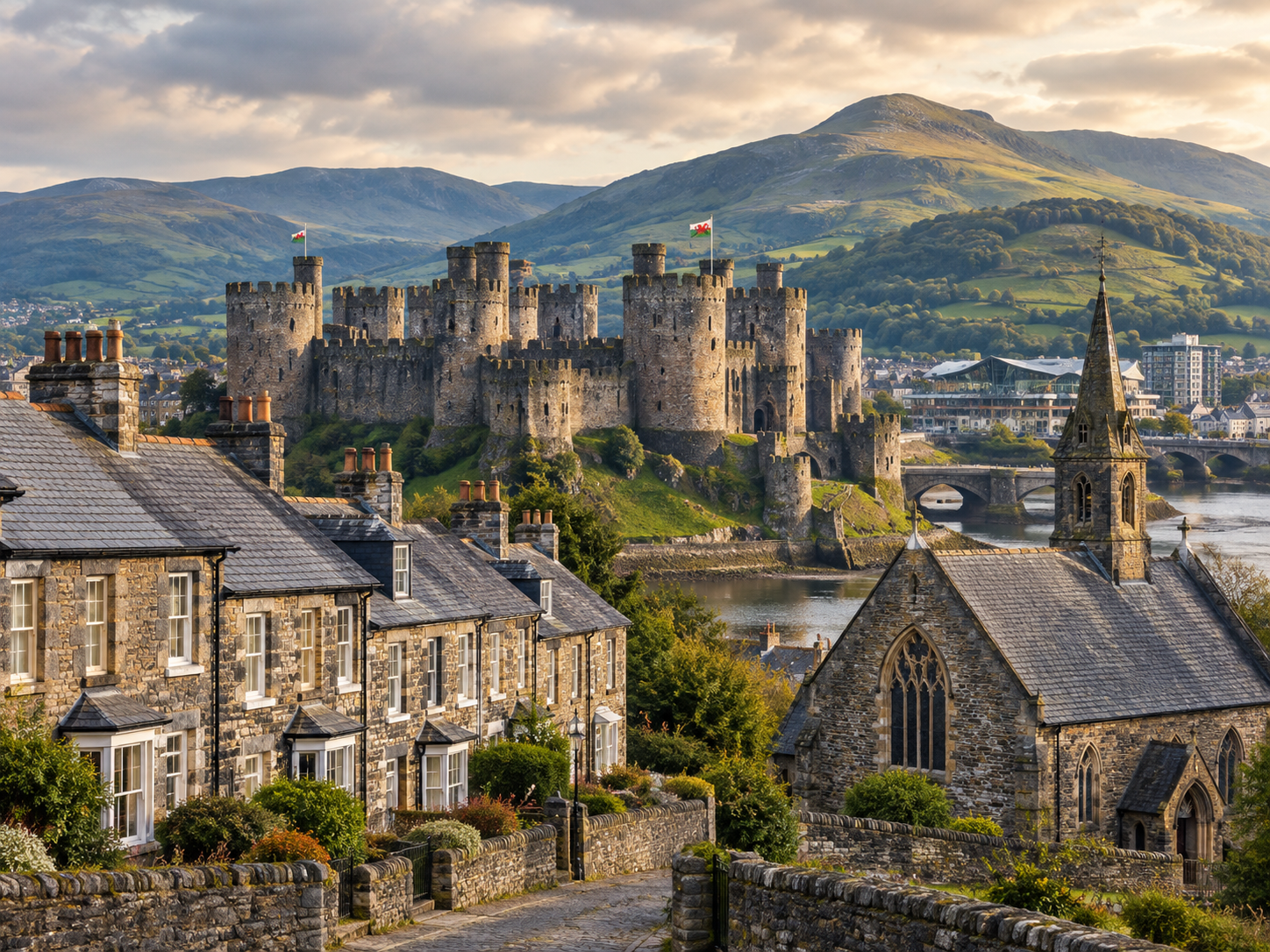
Every nation tells its story through its architecture. In Wales, the curves of a chapel roof, the strength of a castle wall, and the character of a stone cottage all speak of history, people, and place. This course invites you to explore the remarkable architectural styles that define Wales — and to understand how these buildings shape the national identity we experience today.
Why This Course Matters
Buildings are the physical language of culture. From medieval fortresses to modern national theatres, each Welsh building reflects a chapter of collective history and a vision for the future. By studying architectural styles, regional influences, and iconic national structures, learners gain both a technical appreciation and a cultural insight: how construction and design connect deeply to who we are.
This unit encourages you to look at buildings not only as objects of craft or design but as stories of community, resilience, and creativity. You’ll leave with a richer awareness of Welsh heritage — and an informed understanding of how architecture builds national awareness and pride.
What You’ll Learn
- Vernacular Architecture Across Wales
- You’ll begin by examining traditional, regional building styles — from the slate cottages of North Wales to the longhouses and farmsteads of the West. You’ll learn to identify characteristic materials, shapes, and design details that define local architecture and understand how landscape and culture have influenced these variations over time.
- Historical Buildings and Period Styles
- Next, you’ll explore how Welsh history lives through its built environment. You’ll classify castles, houses, institutions, churches, and chapels according to their construction period and purpose, discovering distinctive features across different architectural eras. Through analysis of contrasting examples — such as medieval fortifications versus Georgian estates — you’ll learn to see how social, religious, and political forces have shaped these structures.
- Buildings and National Identity
- Finally, you’ll consider the role of key 20th- and 21st-century buildings in forging a modern Welsh identity. From the National Assembly to the Millennium Centre, you’ll assess how contemporary architecture expresses national pride, cultural revival, and the evolving sense of Wales as a vibrant, creative nation. You’ll reflect on how design choices, materials, and symbolism capture what it means to be distinctively Welsh.
Who This Course Is For
This programme is ideal for learners with an interest in architecture, design, construction, or cultural studies. It’s especially suited to those who want to understand the connection between buildings and identity — or anyone fascinated by how Wales tells its story through stone, steel, and imagination.
How You’ll Learn
Through engaging online materials, image analysis, tours, and reflective discussion, you’ll explore architecture as both craft and culture. Each section combines factual learning with interpretive insight, helping you appreciate not just how Welsh buildings were made, but what they mean.
By the end, you’ll see Wales differently — not as a collection of landscapes and structures, but as a living architectural narrative that continues to shape its people and place.


Reviews
There are no reviews yet.